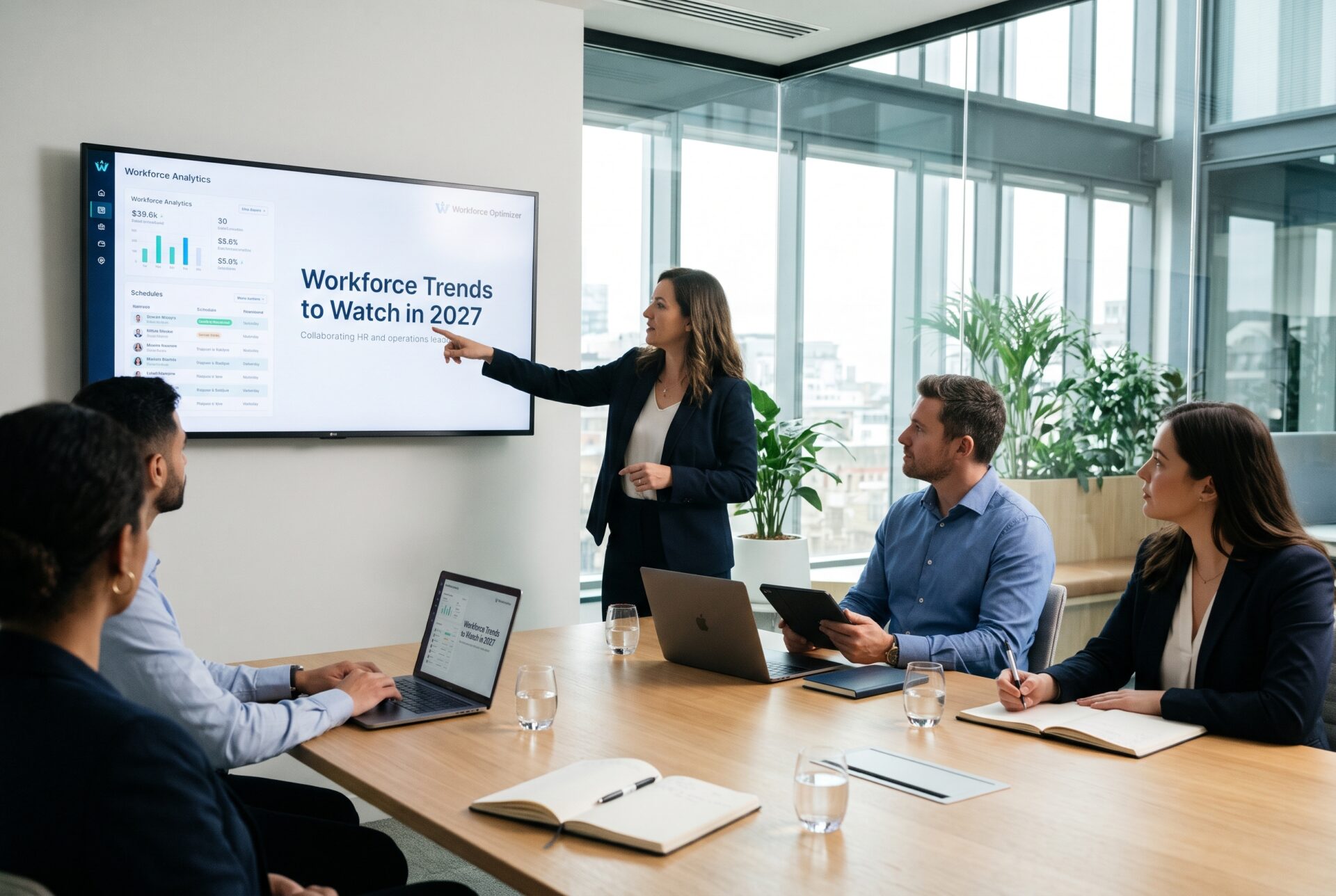
How HR and operations leaders can move from reactive shift scheduling to proactive, data-driven workforce orchestration.
The workplace is evolving faster than ever. Persistent labor shortages, rising wage pressures, tightening margins, and rapid technological advancements are reshaping how organizations manage their people. Capabilities that were once considered cutting-edge, such as mobile clock-ins or basic digital calendars, are now standard baseline infrastructure.
For HR and operations leaders, workforce management is no longer simply about creating schedules or filling shifts. It has become a core strategic lever that directly governs labor margins, employee retention, customer experience, and operational resilience.
As decision makers finalize their operational roadmaps for 2027 and beyond, five major workforce trends will define high-performing organizations.
-
Artificial Intelligence Is Moving from Automation to Decision Intelligence
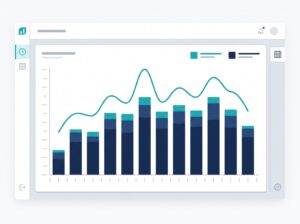
Artificial intelligence is playing a larger role in workforce management—not by replacing managers, but by eliminating guesswork from complex operational planning. AI analyzes vast volumes of historical attendance, demand signals, and operational data far faster than manual spreadsheets, uncovering patterns and cost leaks that would otherwise go unnoticed.
For operations leaders, AI delivers measurable impact by:
- Forecasting staffing demand against real-time business drivers (such as foot traffic, order volume, or patient acuity) to prevent both understaffing and idle labor.
- Optimizing shift schedules to match exact skill requirements with budget targets.
- Flagging overtime risks early before minor schedule imbalances turn into unplanned payroll spikes.
- Detecting absenteeism patterns so managers can intervene proactively rather than scrambling at the last minute.
The Decision-Maker Takeaway: In 2027, the competitive edge lies in human-in-the-loop AI. Leaders should prioritize platforms that provide transparent, explainable recommendations—allowing frontline managers to make faster, data-backed decisions while retaining full operational control.
-
Employee Experience Is Becoming an Operational P&L Driver
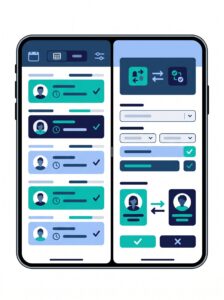
Employee experience is no longer owned exclusively by Human Resources. Operations leaders increasingly recognize that daily scheduling and time-management decisions are the primary drivers of frontline morale—and turnover costs.
Employees interact with their roster every day. Unpredictable hours, repeated last-minute shift changes, fatigue from excessive overtime, or perceived unfairness in shift allocation directly fuel burnout and attrition. Replacing frontline workers carries steep recruiting, onboarding, and productivity costs that hit operational budgets directly.
Today’s workforce expects consumer-grade digital experiences and genuine transparency. They want real-time visibility into upcoming rosters, frictionless mobile shift swaps, instant leave approvals, and confidence that hours are distributed fairly.
The Decision-Maker Takeaway: Treat scheduling fairness and predictability as retention metrics. Organizations that standardize transparent, self-service workforce processes reduce costly turnover and build stronger operational continuity.
-
Mobile-First Operations Are Enabling Real-Time Agility
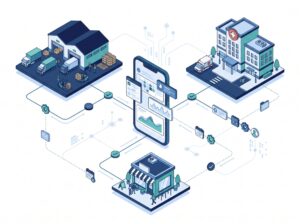
Frontline managers rarely sit behind a desk. They spend their shifts on the floor, moving between departments, overseeing multiple sites, and resolving bottlenecks in real time. Expecting managers to return to a desktop terminal to approve leave, resolve attendance exceptions, or fill a last-minute absence slows down the entire operation.
Employees are equally mobile, expecting immediate access to schedules, leave balances, and shift updates from their personal devices without chasing down a supervisor.
Beyond convenience, mobile workforce management compresses response times. Unexpected absenteeism, sudden demand surges, or multi-site staffing gaps can be resolved in minutes rather than hours.
The Decision-Maker Takeaway: Audit your operational workflows for desktop bottlenecks. Distributed and multi-site organizations in 2027 need full mobile parity, empowering managers to execute approvals, reallocate staff, and communicate on the move.
-
Dynamic Workforce Flexibility Is Replacing Rigid Staffing Models
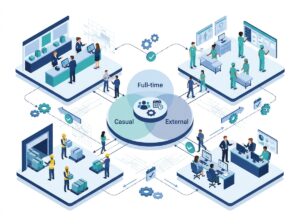
Traditional workforce models were built around rigid, full-time staffing structures designed for predictable demand. Today, customer demand fluctuates rapidly, skilled talent remains scarce, and workers actively seek greater control over when and how they work.
Forward-looking organizations are shifting from static headcount to blended, agile workforce models—combining core full-time teams with part-time staff, casual pools, and cross-trained internal talent.
Instead of defaulting to expensive overtime or external agency labor whenever a gap appears, managers can tap into an internal pool of qualified, available employees across departments or nearby locations. Cross-training staff to handle multiple roles further absorbs demand spikes without inflating fixed overhead.
The Decision-Maker Takeaway: Build internal elasticity before expanding external headcount. Investing in skills tracking and cross-training allows leaders to optimize labor utilization and protect margins during demand swings.
-
Automated Compliance Is Becoming Essential Risk Management

Labor compliance has traditionally been one of the most manual, error-prone aspects of workforce planning. Managers must navigate complex webs of maximum working hours, mandatory rest periods, union agreements, credential expirations, overtime thresholds, and local labor laws while simultaneously trying to cover shifts.
As operations scale across regions and jurisdictions, relying on manual checks exposes the business to costly payroll errors, regulatory penalties, and reputational damage. In 2027, leading organizations are embedding compliance rules directly into the scheduling engine.
Automated rule enforcement validates rosters before they are published, blocking non-compliant shift assignments, expired certifications, or rest-period violations upfront rather than catching them after payroll has run.
The Decision-Maker Takeaway: Shift compliance from reactive auditing to proactive prevention. Automated rule engines protect the organization against regulatory risk while freeing managers from administrative policing.
Looking Ahead to 2027
The workforce trends defining 2027 point toward a clear operational mandate: moving from reactive firefighting to proactive, data-driven workforce orchestration.
Organizations that modernize their workforce infrastructure now will be positioned to control labor costs without sacrificing service quality, retain top talent through fairer scheduling, and adapt rapidly to whatever market shifts lie ahead. In 2027 and beyond, workforce management isn’t just an administrative back-office function, it is the backbone of a resilient, agile enterprise.
Ready to Future-Proof Your Workforce Operations?
Transitioning to an agile, automated, and compliant workforce doesn’t happen overnight, but you don’t have to do it alone.
Workforce Optimizer helps forward-thinking organizations automate scheduling compliance, deploy mobile-first workflows, and use predictive AI to ensure the right people are in the right place, at the right time.
Don’t wait for 2027 to overhaul your operational model. Let’s build a more resilient, cost-effective, and employee-first workforce today.
👉 Schedule a tailored demo with our workforce experts today. and see how we can optimize your scheduling, reduce compliance risk, and drive better operational decisions.




 622 Lor 1, Toa Payoh
 sales@workforceoptimizer.com
